
Repair or Replace Your Roof? A Northwest Florida Homeowner's Guide
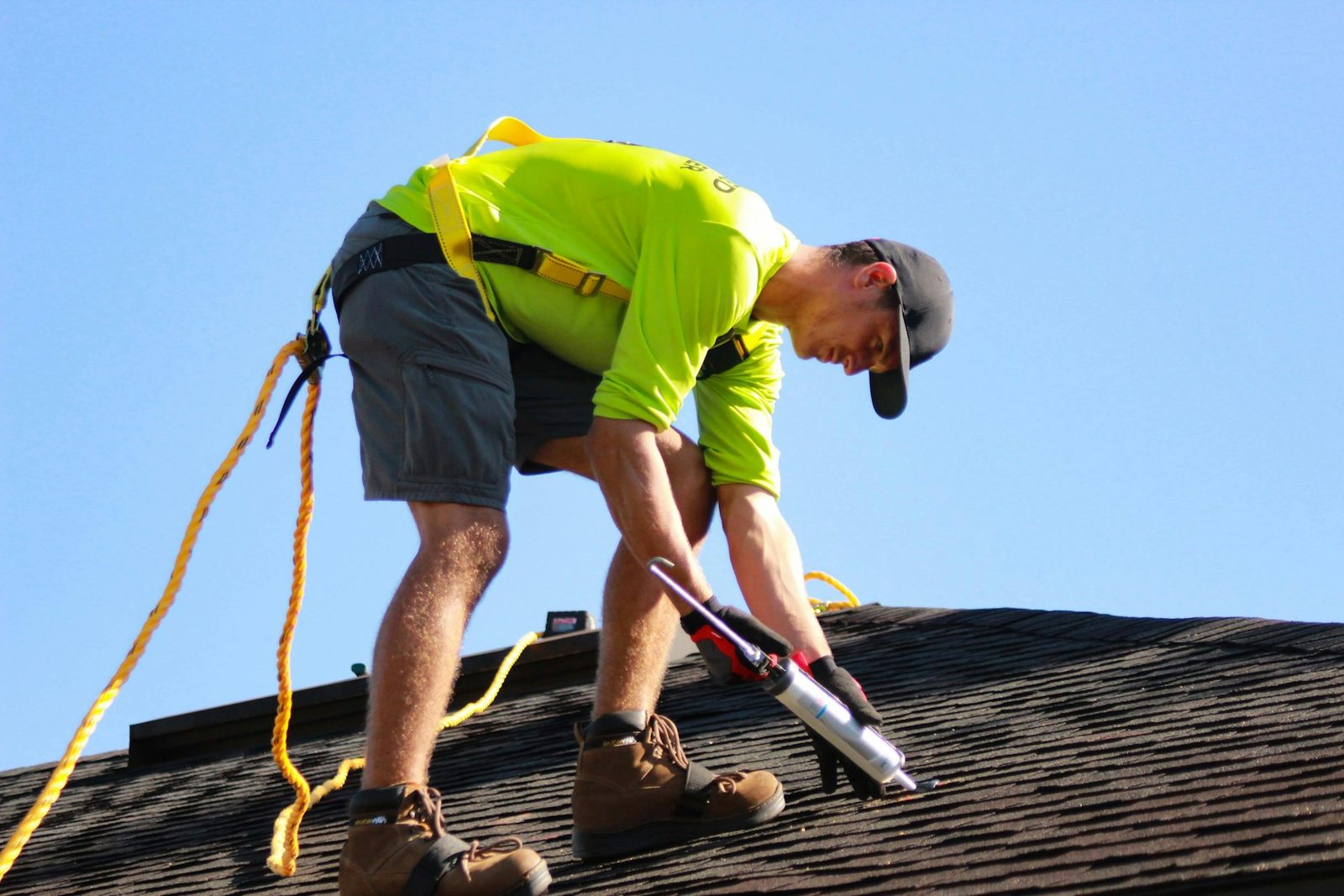
Roof calls are the most common service request we get at Avant Residential Services. Some are obvious — half the shingles got peeled off in the last storm and a tarp is the only thing holding the rest in place. Most are less clear-cut: a small leak, a missing patch of shingles, a soft spot in the soffit. The homeowner wants to know — do I patch this, or am I just delaying a full reroof?
There’s no one-size answer, but there are a handful of factors that almost always determine which way to go.
How old is the roof?
Asphalt shingle roofs in Northwest Florida last 15–22 years on average. UV intensity, humidity, and salt air cut into the manufacturer’s stated life. If your roof is:
- Under 10 years old — repairs almost always make sense. Spot damage doesn’t compromise the rest of the system.
- 10–15 years old — depends. If the damage is isolated and the rest looks healthy, repair. If we’re seeing widespread granule loss, curling, or multiple small issues, a full replacement starts to pencil out.
- 15+ years old — usually replace. Insurance carriers in Florida have gotten increasingly strict about insuring roofs over 15 years, and a partial repair on an old roof rarely lasts as long as you hope.
If you don’t know the age, check the closing documents from when you bought the home, or call the previous owner. A roof inspection will also estimate it within a year or two.
How big is the damaged area?
The rough rule of thumb most contractors use:
- Less than 10% of the roof affected — repair
- 10–30% — gray zone, depends on age and condition of the rest
- 30%+ — almost always replace; spot repairs at that scale leak around the patch boundaries within a year or two
What counts as “the roof” for this calculation? Typically the slope plane the damage is on, not the whole roof. A 12-foot torn section on a 600-square-foot slope is a small repair. The same tear on a 200-square-foot dormer is a full replacement of that section minimum.
What’s the damage pattern?
Patterns matter as much as severity:
- Single point of impact (a tree limb, isolated wind lift) — usually repair, no matter the age. The rest of the roof isn’t affected.
- Distributed wind damage across multiple slopes — full assessment needed. Wind that lifted shingles in three places probably stressed more than you can see.
- Hail damage — Florida doesn’t get classic hail very often, but when we do, the damage is often invisible from the ground. Granule loss patterns and shingle bruising tell the story. These almost always end up as insurance-claim replacements.
- Slow leak with interior staining — this is the trickiest. The leak point on the roof is often nowhere near where the stain shows up inside. We chase these down with infrared cameras when we can.
Is there an active insurance claim?
If a named storm or significant weather event caused the damage, talk to your insurer before you talk to a contractor. Florida insurance law on roof claims has changed several times in the last few years, but a few things stay true:
- Document everything immediately. Photos of the damage, photos of the interior, anything that hit the ground or yard. Date-stamped photos are gold for a claim.
- Don’t get a “free roof” pitch. Some out-of-state contractors descend on Florida after every storm offering to get your insurer to pay for a full reroof. This often ends with denied claims, contractor liens, and homes that need real repairs nobody is willing to make. Stick with local, licensed contractors who’ll still be here next year.
- Get a real assessment first. A proper assessment will show your insurer the scope of damage in language that supports your claim — and will tell you honestly whether you have a real claim or a partial one.
We do insurance-claim assessments and we’ll tell you straight whether we think you have a claim worth filing.
What does the underlying decking look like?
The shingles are the visible layer, but what’s under them matters more for the long-term decision. If the plywood decking is rotted, sagging, or delaminated, no shingle repair is going to hold. The decking has to come off, the bad sections replaced, and a fresh roof installed.
You usually can’t see decking issues from the outside. We catch them with attic inspections (you can often spot moisture damage, sagging, or daylight through gaps) and during the tear-off if we proceed with replacement.
The honest math
Here’s how the cost usually breaks down in our service area for a typical 25-square (2,500 sq-ft) home:
- Spot repair (1–3 shingle squares): $400–$1,200
- Small section replacement (one slope or dormer): $1,500–$4,500
- Full reroof with architectural shingles: $11,000–$18,000
- Full reroof with metal roofing: $22,000–$38,000
The repair vs. replace decision usually comes down to: would I spend $1,500 to maybe get 3 more years out of a roof that’s almost done, or $14,000 to know I’m set for 20? When the roof is young and the damage is local, repair is the right call almost every time. When the roof is old and the damage is anywhere near significant, replacement is usually the better long-term move.
What we’d do if it were our house
For our own homes, the rules we’d apply:
- Inspect the roof every spring. Catch small issues before they become big ones.
- After every named storm, walk the yard for shingle pieces and check the attic for moisture. Don’t wait for a ceiling stain.
- When the roof crosses 15 years, start budgeting for replacement. Don’t be surprised when it’s time.
- Never sign a contract with a storm-chasing roofer. If they showed up after the storm, they’ll be gone before the work is done.
- Match the new roof to how long you plan to stay. Metal makes sense for 20-year holds; architectural shingles make sense for shorter timelines.
If you’ve got a roof question, send us a few photos and the rough age of the roof. We’ll tell you honestly whether you’re looking at a repair, a replacement, or somewhere in between — no pressure either way.
Talk with us about your project.
Have questions about anything in this post? Reach out — we'd love to hear what you're planning.
Contact Avant Home Builders